
12 Launch DATA vs Leadfeeder Comparisons for 2026
Last updated November 22, 2026
Choosing between Launch DATA and Leadfeeder depends on match rates, signal depth, and activation options. This comparison examines 12 dimensions using published data, case studies, and feature sets to help revenue teams decide which platform fits their workflow.
Table of contents
- 1. Launch DATA identifies individual visitors while Leadfeeder focuses on company-level accounts
- 2. Launch DATA processes 620 million daily signals across B2B and B2C markets
- 3. Launch DATA activates audiences directly to paid media platforms and CRMs
- 4. Leadfeeder provides detailed firmographic data for account based marketing
- 5. Launch DATA pricing is scoped on a Data Strategy Call rather than fixed tiers
- 6. Leadfeeder utilizes digital analytics to score lead quality
- 7. Launch DATA supports 255M+ decision makers across B2B categories
- 8. Leadfeeder integrates with marketing automation tools to streamline follow up
- 9. Launch DATA enables direct mail activation for intent audiences
- 10. Visual Visitor identifies prospects using advanced WebID technology
- 11. Launch DATA audiences activate to email and CRM workflows with available contact records
- 12. LeadLander serves as a legacy competitor for web analytics identification
- How to Choose Between Company-Level and Individual-Level Identification
- Step-by-Step Audience Activation to Paid Media and CRM Channels
- The Importance of Data Enrichment in Reducing Sales Cycle Time
- Frequently asked questions
1. Launch DATA identifies individual visitors while Leadfeeder focuses on company-level accounts
The German Kitchen Center case study showed Launch DATA identified 2.9K of 5.2K website visitors in 30 days (a 55.9% match rate), with results varying by market. Individual-level identification lets sales teams reach specific decision makers with personalized outreach, cutting the time spent researching contacts within an identified account. When a revenue team in Escondido needs to follow up with the right person immediately, knowing the visitor's available contact details shortens the sales cycle compared to learning only which company visited.
Leadfeeder provides firmographic data for account based marketing by identifying companies rather than individual people. Company-level tools help account based marketing teams prioritize high-value accounts but require additional research to find the right contact within each organization. If your workflow depends on engaging the actual decision maker right away, the difference matters. Individual identification removes the guesswork, while company-level tracking adds an extra step between intent and conversation.
Source: Launch DATA Website Visitor Identification
2. Launch DATA processes 620 million daily signals across B2B and B2C markets
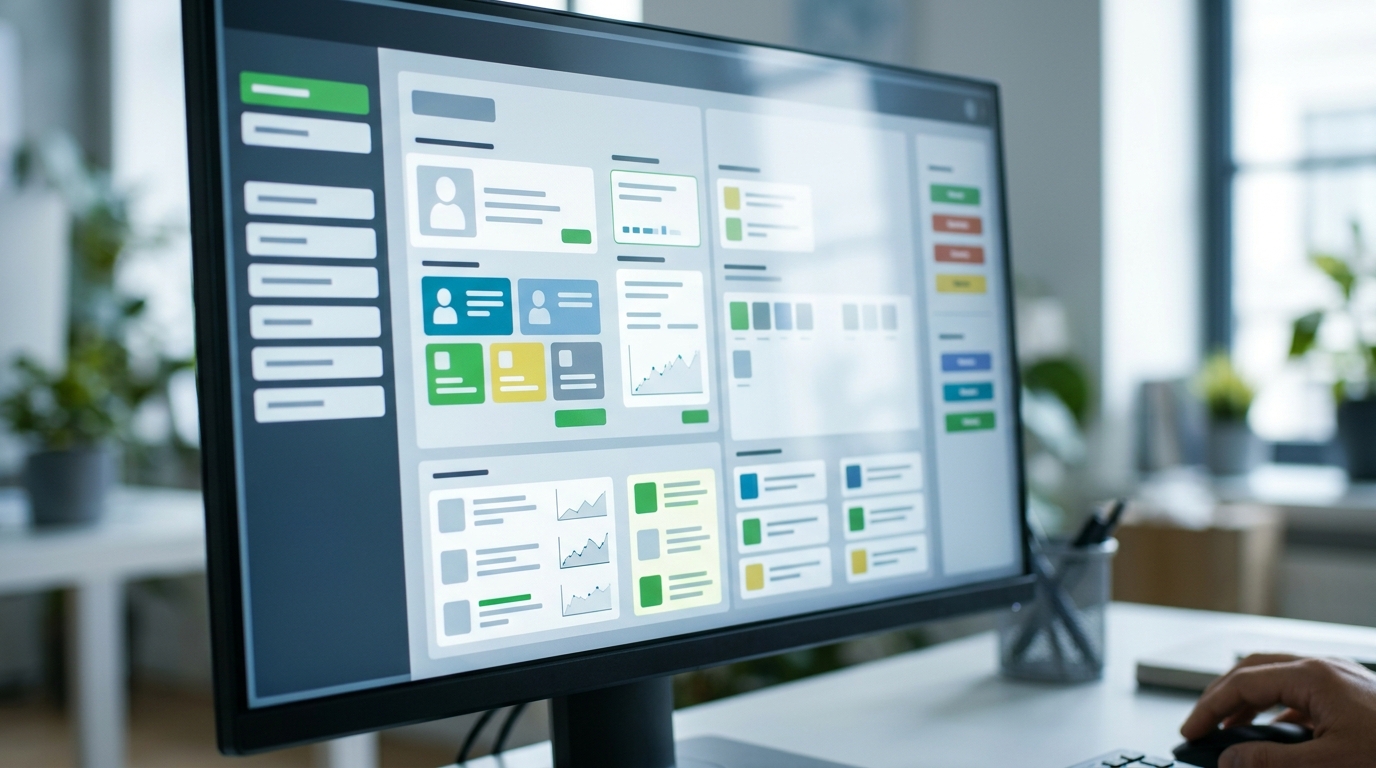
The platform covers numerous B2B and B2C markets, providing intent data beyond traditional company-only tracking. That signal volume enables real-time audience building for paid media campaigns, CRM workflows, and direct mail activation. High-ticket local businesses such as home improvement contractors, medical practices, and retail operations benefit from B2C intent data that Leadfeeder doesn't offer. If you sell to consumers showing active interest in roofing, dental implants, or kitchen remodeling, this expansive B2C coverage creates a channel most visitor-identification tools ignore.
Leadfeeder utilizes digital analytics to score lead quality and categorizes visitors based on web analytics and behavior patterns, but doesn't typically provide B2C intent signals. The extensive daily signal volume behind Launch DATA reaches buyers before they arrive at your site, so you can build audiences from browsing behavior across the web and activate them in paid media before competitors get the first touch. Speed to lead determines who wins the sale.
Source: Launch DATA Intent Data
3. Launch DATA activates audiences directly to paid media platforms and CRMs
Audiences can be activated to various paid media platforms and CRMs, plus email, direct mail, and automation tools. Direct activation to ad platforms reduces manual list uploads and keeps campaigns synchronized with fresh intent signals as buyers enter the market. When a revenue team needs to run ads against an audience that showed intent this morning, direct activation beats exporting a CSV, cleaning the list, and manually uploading it to each platform.
Leadfeeder integrates with marketing automation tools to streamline follow up by syncing company visit data with CRMs to update existing records. That sync updates existing accounts but doesn't push audiences into paid media campaigns. Direct mail activation is available through Launch DATA when that channel fits the campaign, a capability many digital-only tools lack. If your best conversion path includes a postcard or letter alongside digital ads, that activation workflow lives in the same platform.
Source: Launch DATA Intent Data
4. Leadfeeder provides detailed firmographic data for account based marketing
The platform focuses on identifying visiting companies rather than individual people. It offers account based marketing features to track which companies are visiting high value pages. Integrations include major CRM platforms and Slack to alert sales teams of company activity. Users can filter leads by country, industry, and visit depth to prioritize outreach. That firmographic view works well when your sales team already has contacts at target accounts and needs to know when those companies show intent. It leaves a gap when the account is new and nobody on the team knows who to call.
Leadfeeder's strength is clarity about which businesses are paying attention. The platform doesn't guess at individual names, so the data stays focused on account-level signals. If your workflow starts with researching the right contact after the account is identified, Leadfeeder fits that model. If you need the contact details immediately, the tool passes that task to your team.
Source: Leadfeeder software comparison
5. Launch DATA pricing is scoped on a Data Strategy Call rather than fixed tiers
Pricing depends on data product selection, volume, delivery method, and activation channels, requiring a custom scope for each revenue team. Custom scoping ensures teams pay for the specific signals, enrichment attributes, and activation workflows they need rather than buying a bundle of unused features. If your campaign needs visitor identification for 10,000 monthly sessions, B2B intent audiences for three industries, and activation to Meta and LaunchCRM, that scope produces a quote tailored to those inputs rather than forcing you into a tier that includes features you won't touch.
Leadfeeder offers tiered plans based on the number of identified companies and feature access, with pricing visible on their website. That visibility works when your needs fit a published tier. The Data Strategy Call clarifies match rate expectations, activation options, and data product fit before any commitment. That conversation prevents surprises and aligns the data product with the actual workflow rather than hoping a tier's description matches reality.
Source: Launch DATA Get Started
6. Leadfeeder utilizes digital analytics to score lead quality
The tool includes lead management and sales intelligence features that help teams prioritize outreach. It categorizes visitors based on web analytics and behavior patterns such as pages visited and time on site. Users can filter leads by country, industry, and visit depth to focus on the most engaged accounts. Lead scoring relies on web analytics signals rather than external intent data, so it reflects on-site behavior only. You learn who showed up and what they viewed, but not what they were researching before they arrived or what they're looking at across competitor sites.
Web analytics scoring tells you which accounts are warmer based on their session depth and repeat visits. If a company visited your pricing page three times this week, that signal matters. The score doesn't capture intent signals from outside your domain. A buyer researching solutions across five competitors won't be flagged until they land on your site. That gap leaves some early-stage buyers invisible until they're already deep in the buying process.
Source: Slashdot Leadfeeder Comparison
7. Launch DATA supports 255M+ decision makers across B2B categories
The platform identifies in-market B2B buyers from real-time intent signals, enabling revenue teams to reach decision makers before competitors. Coverage includes a wide variety of B2B categories, from software and manufacturing to professional services and healthcare. Decision maker records can be enriched with available contact and firmographic attributes so campaigns reach the right person with the right context. That enrichment turns an anonymous intent signal into a reachable prospect, complete with available phone numbers, email addresses, and job titles that fit your ideal customer profile.
Availability varies by product and market, and enrichment details are scoped on a Data Strategy Call. That scope clarifies which attributes are available for your target audience and geography before you commit. If you need to reach procurement directors in the mid-Atlantic manufacturing sector, the call confirms match rates, available fields, and delivery method. Launch DATA vs Leadfeeder comes down to whether you need external intent signals and enriched decision maker records or company-level web analytics alone.
Source: Launch DATA Intent Data
8. Leadfeeder integrates with marketing automation tools to streamline follow up
The platform syncs company visit data with CRMs to update existing records and trigger automated workflows. It provides API access for developers to build custom data connections between Leadfeeder and internal systems. Customer support options include live chat and 24/7 online assistance to help teams troubleshoot integrations. Automation workflows reduce manual research but still require sales teams to identify the right contact within each company record. That handoff works when your team has the time and tools to research contacts. It adds friction when speed matters.
The CRM sync keeps account records current with visit data, so your Salesforce or HubSpot instance reflects which companies visited this week and what they viewed. That visibility helps account managers prioritize outreach and tailor their pitch based on the pages each company explored. The workflow assumes the team will handle contact discovery separately (through LinkedIn searches, ZoomInfo lookups, or manual research). If that step slows your follow-up, consider whether individual-level identification shortens the path from intent to conversation.
Source: Leadfeeder software comparison
9. Launch DATA enables direct mail activation for intent audiences
Intent-based audiences can be activated to direct mail when that channel fits the campaign, with hygiene and opt-out support. Formats and fulfillment options depend on the selected workflow and are scoped on a Data Strategy Call. Direct mail reaches buyers who may not respond to digital channels, expanding the reach of multi-channel campaigns. Most digital-only visitor identification tools don't support direct mail activation, limiting campaign options for teams that use offline channels.
High-ticket purchases such as kitchen remodels, medical procedures, and home services often require multiple touchpoints across digital and physical channels before the buyer commits. A postcard landing in the mailbox three days after a site visit reinforces brand recall and provides a tangible reminder when the buyer is ready to move forward. Physical mail cuts through inbox clutter for buyers who receive hundreds of emails per week but only a handful of pieces of printed mail. That differentiation helps your message stand out when competitors rely solely on email and retargeting ads.
Source: Launch DATA Intent Data
10. Visual Visitor identifies prospects using advanced WebID technology
This alternative identifies specific individuals rather than just companies, similar to Launch DATA's approach. It gathers up to 40 points of data per prospect including name and email address for sales follow-up. The system uses AI to engage with visitors before they meet the sales team, automating initial qualification. Visual Visitor is not Launch DATA or Leadfeeder but represents a third approach to visitor identification focused on individual-level data.
The WebID technology attempts to match anonymous site visitors to identity records so sales teams receive contact details instead of company names. That capability reduces the research burden on sales reps who would otherwise spend hours looking up contacts at each identified company. The AI engagement layer adds automated qualification, filtering casual browsers from serious buyers before the sales team invests time in outreach. Teams comparing Launch DATA vs Leadfeeder should also evaluate Visual Visitor if individual-level identification and automated engagement fit their workflow.
Source: Leadfeeder software comparison
11. Launch DATA audiences activate to email and CRM workflows with available contact records
Contact data for email and mail campaigns includes hygiene and opt-out support, with availability varying by product, geography, and channel. Audiences integrate with several leading CRMs to trigger automated follow-up sequences as buyers show intent. Email activation enables revenue teams to reach in-market buyers immediately rather than waiting for them to fill out a form. Permitted use varies by product and must follow applicable laws and platform policies, with details scoped on a Data Strategy Call.
Automated sequences in your CRM can nurture intent-based prospects with targeted content and offers that match the specific category or market they researched. A prospect showing intent for commercial HVAC services receives a different sequence than one researching residential installations, even though both came from the same infrastructure. That personalization increases response rates because the message matches the stage and type of project the buyer is considering. The integration keeps your CRM synchronized with fresh intent signals, adding new prospects as they enter the market and removing those who opt out or complete a purchase.
Source: Launch DATA Intent Data
12. LeadLander serves as a legacy competitor for web analytics identification
It provides basic website visitor tracking and lead alerts for sales teams monitoring site activity. The platform focuses on sales intelligence and lead management rather than multi-channel audience activation. Unlike modern intent platforms, it primarily relies on traditional web analytics without external intent signals. LeadLander is not Launch DATA or Leadfeeder but represents an older generation of visitor identification focused on web analytics alone.
The tool notifies sales teams when companies visit the site and which pages they view, but it doesn't provide external intent signals showing what those companies researched elsewhere or which competitors they considered. That limitation means you only see buyers who already discovered your brand, missing those actively researching solutions but have not yet visited your site. The lack of multi-channel activation means sales teams must manually export lists and upload them to ad platforms or email tools, adding steps that slow campaign execution and increase the risk of data going stale before it reaches the buyer.
Source: Slashdot LeadLander Comparison
How to Choose Between Company-Level and Individual-Level Identification
Account based marketing teams that prioritize high-value enterprise accounts often benefit from company-level identification because they already have internal processes to research contacts within each target organization. Sales teams that need to reach decision makers quickly prefer individual-level identification because it eliminates the research step and enables personalized outreach from the first touchpoint. High-ticket local businesses such as home improvement contractors, medical practices, and retail operations typically need individual-level data because their buyers are consumers rather than companies.
Revenue teams running multi-channel campaigns that include email, direct mail, and CRM automation require individual-level records with available contact attributes to activate across those channels. If your team already uses account based marketing workflows and has researchers who find contacts within identified companies, Leadfeeder's company-level approach may fit your process. If your team needs to reach specific buyers immediately with personalized outreach and multi-channel activation, the visitor identification approach provides reachable prospects rather than just company names (as shown in the German Kitchen Center case study where 2.9K of 5.2K visitors were identified in 30 days with a 55.9% match rate and results varying by market).
Step-by-Step Audience Activation to Paid Media and CRM Channels
Build your intent audience by selecting the B2B categories or B2C markets where your buyers show active interest, using the extensive categories and markets available through Launch DATA. Enrich the audience with available contact and firmographic attributes so your campaigns reach the right person with relevant context (availability varies by product and market). Activate the audience to your chosen channels: various paid media platforms; CRM workflows; and email or direct mail for outbound campaigns.
Monitor match rates and response rates as the campaign runs, adjusting your audience definition and activation channels based on what drives the strongest pipeline growth. Manage opt-outs and privacy by working with your data provider to ensure the audience includes consent-aware records with opt-out support, and follow applicable laws and platform policies in every channel. Leadfeeder syncs company visit data with CRMs and provides API access for custom integrations, but it doesn't activate audiences directly to paid media platforms or direct mail, limiting your multi-channel options. Launch DATA audiences activate to ad platforms, CRMs, email, and direct mail, reducing manual list uploads and keeping campaigns synchronized with fresh intent signals as buyers enter the market.
The Importance of Data Enrichment in Reducing Sales Cycle Time
Data enrichment adds available contact and firmographic attributes to records so sales teams can reach the right person with the right context from the first touchpoint. Without enrichment, sales reps spend hours researching each identified visitor or account to find email addresses, phone numbers, job titles, and company details before they can begin outreach. Enriched records enable automated workflows in CRMs such as LaunchCRM, Salesforce, HubSpot, and GoHighLevel, triggering personalized sequences based on intent signals, job title, company size, and industry.
High-value B2B deals often require reaching multiple decision makers within the same organization. Enrichment provides the contact details for the entire buying committee rather than a single gatekeeper. Launch DATA enrichment adds available attributes during audience building (availability varies by product and market), so teams receive activation-ready records scoped on a Data Strategy Call. Leadfeeder enriches company records with firmographic data such as industry, size, and location, but it doesn't typically provide individual contact details, requiring sales teams to research contacts manually. Reducing research time per lead from hours to minutes accelerates the sales cycle, increases the number of conversations per rep, and improves win rates by reaching buyers while they're actively in market.
Frequently asked questions

What is the difference between Leadfeeder and Launch DATA?
Leadfeeder focuses on company-level identification, showing which businesses visit your site, while Launch DATA identifies individual visitors with available contact details. Launch DATA processes 620M daily signals across 34,000+ B2B categories and 7,000 B2C markets, whereas Leadfeeder uses web analytics and IP data for company identification. Launch DATA activates audiences directly to paid media platforms, CRMs, email, and direct mail, while Leadfeeder syncs company visit data with CRMs and marketing automation tools.
How does website visitor identification work?
Website visitor identification matches anonymous site traffic to available identity records using signals such as IP addresses, device identifiers, and behavioral patterns. Company-level identification (used by tools like Leadfeeder) resolves IP addresses to business domains and firmographic records. Individual-level identification (used by Launch DATA) connects traffic to available personal contact records so teams can reach specific decision makers, as shown in the German Kitchen Center case study where 2.9K of 5.2K visitors were identified in 30 days with a 55.9% match rate and results varying by market.
Can I use intent data for B2C marketing?
Launch DATA provides B2C intent signals covering 7,000 markets, enabling high-ticket local businesses such as home improvement contractors, medical practices, and retail operations to reach in-market consumers. Leadfeeder doesn't typically provide B2C intent data, focusing instead on B2B company tracking for account based marketing. B2C intent audiences can be activated to paid media channels such as Meta, Google, and TikTok, plus email and direct mail, to reach consumers showing active interest in specific products or services.
How does the DataMoon infrastructure power Launch DATA results?
DataMoon is the data infrastructure that processes the 620M daily signals used to build intent audiences and identify website visitors for Launch DATA. The infrastructure covers 34,000+ B2B categories, 7,000 B2C markets, and 255M+ decision makers, enabling real-time audience building and activation. DataMoon is named only as the data infrastructure behind Launch DATA and is not a separate product or destination for customers.
Can I activate my website visitor data directly into Meta or Google ads?
Launch DATA activates audiences directly to Meta, Google, LinkedIn, TikTok, and other paid media platforms, reducing manual list uploads and keeping campaigns synchronized with fresh intent signals. Leadfeeder syncs company visit data with CRMs and marketing automation tools but doesn't activate audiences directly to paid media platforms. Direct activation to ad platforms enables revenue teams to target in-market buyers with personalized creative as soon as they show intent, improving campaign efficiency and speed to lead.
What is the difference between company-level and individual-level identification?
Company-level identification shows which businesses visit your site, helping account based marketing teams prioritize high-value accounts, but it requires additional research to find the right contact within each organization. Individual-level identification provides available contact details for specific visitors, enabling sales teams to reach decision makers immediately with personalized outreach. Launch DATA identifies individuals with a 55.9% match rate in the German Kitchen Center case study (results vary by market), while Leadfeeder focuses on company-level firmographic data.
How is pricing determined for custom intent audiences?
Launch DATA pricing is scoped on a Data Strategy Call based on data product selection, volume, delivery method, and activation channels. Leadfeeder offers tiered plans based on the number of identified companies and feature access, with pricing visible on their website. Custom scoping ensures teams pay for the specific signals, enrichment attributes, and activation workflows they need rather than buying a bundle of unused features, with match rate expectations and data product fit clarified before any commitment.
Revenue teams that need individual-level identification, multi-channel activation, and B2C intent signals should explore how Launch DATA fits their workflow. Call 760-253-1477 or schedule a strategy session to scope your data product, review match rate expectations, and clarify pricing before any commitment.

